Introduction
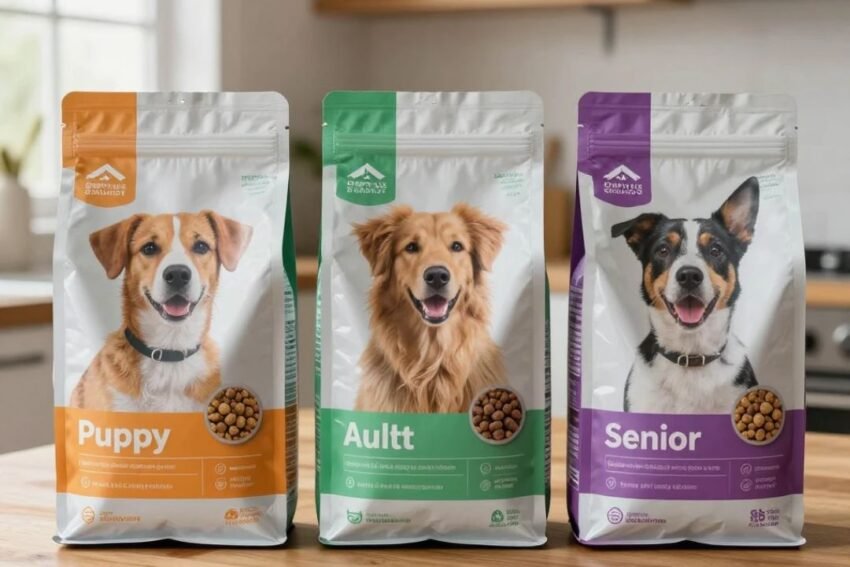
Choosing the right dog food is essential for your pet’s health, energy, growth, and overall well-being. Dogs have different nutritional requirements throughout their lives, so the food that works for a puppy may not be the best choice for an adult or senior dog.
The best dog food for puppies, adults, and senior dogs should provide complete and balanced nutrition appropriate for the dog’s life stage. Factors such as breed size, activity level, body condition, and health also matter when deciding what and how much to feed.
This complete feeding guide explains the nutritional needs of puppies, adult dogs, and senior dogs, along with practical tips for choosing food, controlling portions, and avoiding common feeding mistakes.
Understanding Dog Nutrition
A balanced canine diet should provide appropriate amounts of:
- Protein
- Fat
- Carbohydrates
- Vitamins
- Minerals
- Essential fatty acids
- Water
The exact nutritional requirements vary according to age, size, activity, reproductive status, and health.
When choosing commercial dog food, look for a product that is labeled as complete and balanced for the appropriate life stage.
Best Dog Food for Puppies
Puppies grow rapidly, which means they have different nutritional requirements from adult dogs.
Puppy food is specifically formulated to support normal growth and development.
What Puppies Need
Puppies generally need appropriate amounts of:
- High-quality protein
- Energy
- Essential fatty acids
- Vitamins
- Minerals
- Other essential nutrients
Large-breed puppies require particular attention to appropriate growth and mineral balance.
Choosing Puppy Food
When buying puppy food, check that it is specifically formulated for growth.
Consider:
Breed Size
Small-breed and large-breed puppies can have different nutritional requirements.
Calories
Puppies need enough energy for growth, but excessive calorie intake can contribute to unhealthy growth and excessive weight.
Protein
Adequate protein supports normal muscle and tissue development.
Complete Nutrition
Choose a properly formulated puppy diet rather than relying on homemade meals without professional nutritional guidance.
How Often Should Puppies Eat?
Young puppies generally need more frequent meals than adult dogs because they have smaller stomachs and high energy requirements.
Depending on age and individual needs, puppies may eat several smaller meals throughout the day.
As they mature, feeding frequency can gradually decrease.
Always follow the feeding recommendations on the food packaging and your veterinarian’s advice.
Best Dog Food for Adult Dogs
Once a dog reaches adulthood, its nutritional needs shift from growth to maintenance.
Adult dog food should support:
- Healthy muscles
- Appropriate body weight
- Energy
- Skin and coat health
- Normal digestion
- Overall wellness
The right food depends on the dog’s size, activity, and health.
Choosing Adult Dog Food
When selecting adult dog food, consider:
Activity Level
An active dog may need more calories than a less active dog.
Body Condition
Dogs that are overweight may need carefully controlled calories.
Breed and Size
Small and large dogs can have different nutritional considerations.
Health
Dogs with medical conditions may require specialized diets.
Best Dog Food for Senior Dogs
Senior dogs may experience changes in activity, metabolism, muscle mass, and overall health.
A senior formula may be appropriate for some older dogs, but there is no universal diet for all senior pets.
An older dog with a medical condition may require a therapeutic diet recommended by a veterinarian.
What Should Senior Dog Food Contain?
Depending on the individual dog, senior nutrition may focus on:
- Appropriate calories
- High-quality protein
- Essential nutrients
- Appropriate fat levels
- Digestibility
The goal is to maintain a healthy body condition while supporting normal aging.
Small-Breed vs Large-Breed Dog Food
Dog size can influence nutritional needs.
Small-Breed Dogs
Small dogs may have relatively high energy needs compared with their body size.
Small-breed food may feature smaller kibble and appropriate calorie density.
Large-Breed Dogs
Large dogs have different growth and maintenance considerations.
Large-breed puppy food is particularly important because excessive growth can contribute to skeletal problems.
For large-breed puppies, discuss food selection and growth monitoring with your veterinarian.
Wet vs Dry Dog Food
Both wet and dry dog food can be appropriate.
Wet Food
Benefits include:
- High moisture
- Soft texture
- Strong aroma
- Variety of recipes
Dry Food
Benefits include:
- Easy storage
- Convenient feeding
- Easy portion measurement
- Often lower cost per calorie
Some dogs do well with a combination of wet and dry food.
How to Read a Dog Food Label
Understanding the label can help you choose an appropriate product.
Life Stage
Check whether the food is intended for:
- Growth
- Adult maintenance
- All life stages
- Senior dogs, where applicable
Nutritional Adequacy
Look for information indicating that the food provides complete and balanced nutrition for its intended use.
Calories
Calorie information helps you determine appropriate portion sizes.
Ingredients
Review the ingredient list, but remember that ingredients alone do not provide a complete picture of nutritional quality.
Protein in Dog Food
Protein supports normal muscle maintenance and many body functions.
Common protein sources include:
- Chicken
- Turkey
- Beef
- Lamb
- Fish
- Eggs
The appropriate protein level depends on the dog’s life stage and individual needs.
Fats in Dog Food
Dietary fat provides concentrated energy and essential fatty acids.
Appropriate fats can support:
- Skin
- Coat
- Energy
- Normal cellular functions
However, high-fat food is not automatically healthier.
Calorie density should always be considered.
Vitamins and Minerals
Dogs need numerous vitamins and minerals for normal health.
They support:
- Bones
- Muscles
- Immune function
- Metabolism
- Nervous system
- Other physiological functions
A complete and balanced commercial diet should provide these nutrients in appropriate proportions.
How Much Should You Feed Your Dog?
There is no universal feeding amount.
The correct amount depends on:
- Age
- Weight
- Breed
- Activity level
- Body condition
- Health
- Food calorie density
Use the manufacturer’s feeding recommendations as a starting point.
A veterinarian can help determine appropriate portions if your dog has special nutritional needs.
Feeding Puppies
Puppies generally require more frequent meals than adults.
A simple feeding structure might include:
Morning: Puppy meal
Midday: Puppy meal
Evening: Puppy meal
Very young puppies may require additional meals.
As puppies mature, meals can gradually become less frequent.
Feeding Adult Dogs
Many adult dogs do well with two measured meals per day.
For example:
Morning: Half of the daily food
Evening: Remaining daily food
The exact schedule can be adjusted based on the dog’s routine and individual needs.
Feeding Senior Dogs
Senior dogs can often follow a regular adult feeding schedule.
However, feeding frequency and food selection may need to change if the dog develops a health condition or experiences appetite changes.
Regular veterinary checkups become increasingly important as dogs age.
Dog Food for Weight Management
Maintaining a healthy weight is important at every life stage.
Overweight puppies can experience unhealthy growth, while overweight adult and senior dogs may face increased health risks.
If your dog is overweight:
- Measure meals
- Limit unnecessary treats
- Increase appropriate activity
- Monitor weight
- Speak with your veterinarian
Do not drastically restrict food without professional guidance.
Dog Food for Active Dogs
Active dogs may need more calories than sedentary pets.
This can include:
- Working dogs
- Sporting dogs
- Hiking companions
- Agility dogs
- Highly active outdoor dogs
However, calorie requirements vary greatly.
Monitor body condition rather than assuming that every active dog needs large portions.
Dog Food for Sensitive Stomachs
Some dogs experience digestive sensitivity.
Signs can include:
- Loose stools
- Vomiting
- Gas
- Reduced appetite
- Changes in bowel movements
A sensitive-stomach diet may help some dogs, but persistent symptoms should be evaluated by a veterinarian.
Dog Food for Allergies
Dogs can develop food allergies or other causes of skin and digestive problems.
Possible symptoms include:
- Itching
- Skin irritation
- Recurrent ear problems
- Digestive issues
If an allergy is suspected, a veterinarian may recommend a controlled elimination diet.
Avoid changing foods repeatedly without guidance.
Healthy Dog Treats
Treats can be part of a healthy lifestyle when given in moderation.
Good practices include:
- Small portions
- Monitoring calories
- Using treats during training
- Avoiding excessive snacks
Treats should not replace a complete and balanced diet.
Can Puppies Eat Adult Dog Food?
Puppies generally should not rely on adult-maintenance food as their primary diet because their nutritional requirements for growth are different.
Choose a food specifically formulated for puppy growth.
Large-breed puppies may require an especially appropriate growth formula.
Can Senior Dogs Eat Adult Dog Food?
Some healthy senior dogs can continue eating an appropriate adult-maintenance diet.
However, older dogs may develop changing nutritional or medical needs.
A veterinarian can determine whether a senior-specific or therapeutic diet is appropriate.
Homemade Dog Food
Homemade dog food can be suitable when properly formulated.
However, simply combining meat, rice, and vegetables does not necessarily provide complete nutrition.
Dogs need numerous nutrients in specific amounts.
If homemade food will make up a substantial part of your dog’s diet, consult a veterinarian or veterinary nutrition professional.
Raw Dog Food
Raw diets are used by some dog owners, but they can present nutritional and food-safety concerns.
Potential risks include:
- Bacterial contamination
- Nutritional imbalance
- Bones
- Foodborne illness
- Household exposure to pathogens
Discuss raw feeding with a veterinarian before making it your dog’s primary diet.
Foods Dogs Should Avoid
Several human foods can be harmful or toxic to dogs.
These include:
- Chocolate
- Grapes
- Raisins
- Onions
- Garlic
- Alcohol
- Xylitol
- Certain highly fatty foods
Keep potentially dangerous foods out of your dog’s reach.
If your dog eats a potentially toxic food, contact a veterinarian or appropriate animal poison service promptly.
How to Transition Your Dog to New Food
Suddenly changing a dog’s food can cause digestive upset.
A gradual transition is usually preferable.
Days 1–2
Mostly old food with a small amount of new food.
Days 3–4
Increase the new food.
Days 5–6
Mostly new food.
Day 7
Complete the transition if your dog is tolerating it.
Some dogs may need a slower transition.
Common Dog Feeding Mistakes
Overfeeding
Large portions can contribute to obesity.
Too Many Treats
Treats can add significant calories.
Sudden Food Changes
Rapid transitions can cause digestive problems.
Ignoring Fresh Water
Dogs should have access to clean drinking water throughout the day.
Feeding the Wrong Life-Stage Formula
Puppies, adults, and senior dogs can have different nutritional needs.
Relying Only on Marketing
Terms such as “premium” or “natural” do not automatically mean better nutrition.
Signs Your Dog’s Diet May Need Review
Speak with your veterinarian if you notice persistent:
- Weight loss
- Weight gain
- Vomiting
- Diarrhea
- Loss of appetite
- Excessive thirst
- Poor coat condition
- Low energy
- Difficulty eating
Dietary problems are not always the cause, so medical evaluation may be necessary.
Frequently Asked Questions
What is the best food for puppies?
Choose a complete and balanced food specifically formulated for puppy growth and development.
What is the best food for adult dogs?
A complete and balanced adult-maintenance food that matches the dog’s calorie needs, size, activity level, and health is generally appropriate.
Do senior dogs need special food?
Not every senior dog requires a specialized diet, but older dogs can have changing nutritional and medical needs.
Should puppies eat wet or dry food?
Both can be suitable if specifically formulated for growth and complete and balanced. Some owners use a combination.
How often should I feed my dog?
Young puppies generally need more frequent meals, while many adult dogs do well with two measured meals per day.
How much food should my dog eat?
The amount depends on weight, age, activity, body condition, health, and the calorie density of the food.
Conclusion
Choosing the best dog food for puppies, adults, and senior dogs starts with understanding that nutritional requirements change throughout a dog’s life.
Puppies need food designed for growth, adult dogs need maintenance nutrition, and senior dogs may require dietary adjustments based on age, activity, body condition, and health.
When selecting dog food, look for complete and balanced nutrition, an appropriate life-stage formula, suitable calorie levels, and a reputable manufacturer. Measure portions carefully and provide fresh water every day.
If your dog has allergies, digestive problems, unexplained weight changes, or a medical condition, consult a veterinarian before making major dietary changes.
With appropriate nutrition, portion control, exercise, fresh water, and regular veterinary care, you can help your dog stay healthy, active, and happy at every stage of life.