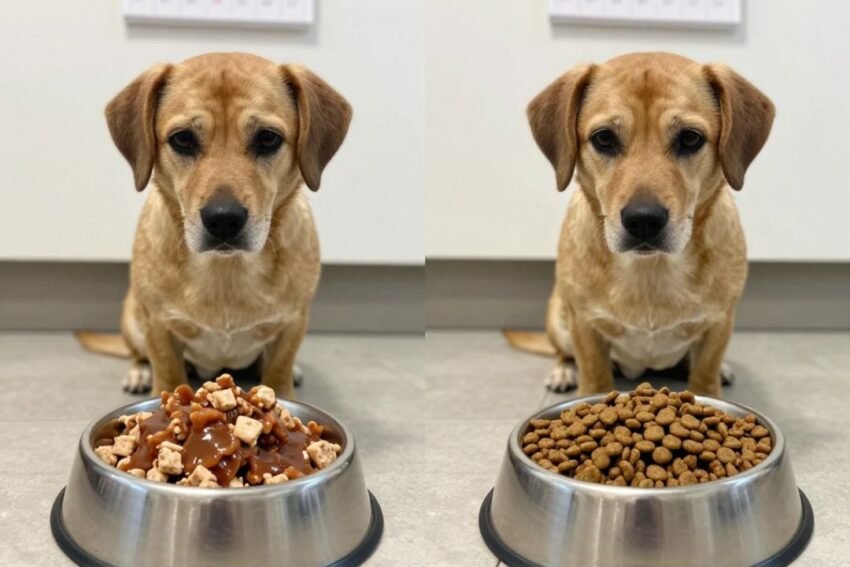
Introduction
Choosing between wet vs dry dog food is a common decision for pet owners. Both types can provide complete and balanced nutrition when they are properly formulated, but they have important differences in moisture content, texture, convenience, storage, calories, and feeding routines.
Some dogs prefer wet food because of its aroma and soft texture, while others enjoy dry kibble. Many owners also choose a combination of both.
So, which is better for your dog in 2026? The answer depends on your dog’s age, size, activity level, health, preferences, and overall nutritional requirements.
This guide compares wet and dry dog food and explains the advantages, disadvantages, feeding tips, and factors to consider before making a choice.
What Is Wet Dog Food?
Wet dog food contains a high percentage of moisture and is commonly sold in cans, trays, pouches, or sealed containers.
It comes in several textures, including:
- Pâté
- Chunks
- Stews
- Shredded recipes
- Gravy-based meals
Wet food can be particularly appealing to dogs that prefer soft textures or strong aromas.
What Is Dry Dog Food?
Dry dog food, commonly called kibble, contains much less moisture than wet food.
It is usually sold in bags and is available in formulas designed for different:
- Life stages
- Breed sizes
- Activity levels
- Nutritional needs
Dry food is popular because it is convenient, easy to measure, and simple to store.
Wet vs Dry Dog Food: Quick Comparison
| Feature | Wet Dog Food | Dry Dog Food |
|---|---|---|
| Moisture | High | Low |
| Texture | Soft | Crunchy |
| Storage | More demanding after opening | Convenient |
| Portion measurement | Moderate | Easy |
| Convenience | Moderate | High |
| Water contribution | High | Low |
| Variety | Often high | High |
| Cost per calorie | Often higher | Often lower |
Both options can be healthy when they provide complete and balanced nutrition.
Benefits of Wet Dog Food
1. High Moisture Content
One of the biggest advantages of wet dog food is its high water content.
Wet food can contribute to your dog’s overall fluid intake.
However, wet food should not replace access to fresh drinking water.
2. Appealing Texture
Some dogs prefer soft food.
Wet food can be useful for dogs that have difficulty chewing or simply prefer a softer texture.
Older dogs with dental problems may sometimes find soft food easier to eat, although dental issues should be evaluated by a veterinarian.
3. Strong Aroma
Wet food often has a stronger smell than dry kibble.
This can make it attractive to picky eaters.
If a dog suddenly loses interest in food, however, the change should not automatically be treated as simple pickiness. Persistent appetite changes may require veterinary evaluation.
4. Lower Calorie Density by Weight
Because wet food contains a large amount of water, it often has fewer calories per gram than dry kibble.
This can be useful in some weight-management feeding plans.
However, portions still need to be measured according to calorie requirements.
Disadvantages of Wet Dog Food
1. More Expensive
Wet food can cost more per calorie than dry food.
This can become particularly noticeable when feeding large dogs.
2. Storage After Opening
Opened wet food generally requires refrigeration and should be used according to the manufacturer’s instructions.
3. Less Convenient
Wet food can be messier to serve and transport.
4. Food Waste
Some dogs may not finish their portion, which can result in wasted food if leftovers are not stored properly.
Benefits of Dry Dog Food
1. Convenient
Dry kibble is simple to serve and measure.
It is useful for owners who want an easy feeding routine.
2. Easy to Store
Unopened dry food can generally be stored at room temperature according to the manufacturer’s storage instructions.
Keep the package tightly sealed and stored in a cool, dry location.
3. Easy Portion Control
Dry food can be measured using a cup or, more accurately, a kitchen scale.
Precise portions can help prevent overfeeding.
4. Often More Affordable
Dry food is frequently less expensive per calorie than wet food.
This can make it practical for households with multiple dogs.
Disadvantages of Dry Dog Food
1. Lower Moisture
Dry food contains much less water than wet food.
Dogs eating primarily dry food should always have access to fresh water.
2. Easy to Overfeed
Kibble is relatively calorie-dense.
Large portions can quickly increase daily calorie intake.
3. Not a Replacement for Dental Care
Ordinary dry kibble should not automatically be considered a dental treatment.
Some specially formulated dental diets may help with plaque or tartar, but proper dental care remains important.
Is Wet Dog Food Better?
Wet food has some clear benefits, especially its high moisture content and soft texture.
However, it is not automatically healthier for every dog.
A complete and balanced wet food can be an excellent choice, but individual needs and preferences should also be considered.
Is Dry Dog Food Better?
Dry food can also be a healthy option when it provides complete and balanced nutrition.
Its biggest advantages are convenience, storage, affordability, and easy portion measurement.
The most important factor is choosing an appropriate food rather than assuming that dry or wet is universally better.
Can Dogs Eat Both Wet and Dry Food?
Yes.
Many dogs can eat a combination of wet and dry food.
Mixed feeding can provide:
- Additional moisture
- Different textures
- More variety
- Convenient portion control
However, the calories from both foods should be included in the dog’s total daily intake.
Wet vs Dry Food for Puppies
Puppies need food specifically formulated for growth.
Both wet and dry puppy foods can be suitable if they provide complete and balanced nutrition.
Wet puppy food can offer additional moisture and a soft texture.
Dry puppy food is convenient and easy to measure.
Some owners choose a combination.
Wet vs Dry Food for Adult Dogs
Healthy adult dogs can often thrive on either wet or dry food.
The choice can depend on:
- Activity level
- Weight
- Food preferences
- Budget
- Feeding routine
- Overall health
An active dog may have higher calorie needs than a less active dog.
Wet vs Dry Food for Senior Dogs
Senior dogs can have changing nutritional needs.
Wet food may be useful for older dogs that prefer soft textures or need additional dietary moisture.
Dry food may remain completely appropriate for other senior dogs.
If an older dog has a medical condition, a veterinarian may recommend a specialized diet.
Which Is Better for Hydration?
Wet dog food has the advantage because it contains significantly more moisture.
It can contribute to daily fluid intake.
Nevertheless, every dog should have access to fresh, clean drinking water.
If your dog suddenly drinks much more or much less water than usual, speak with a veterinarian.
Which Is Better for Weight Management?
Neither wet nor dry food automatically causes weight gain or weight loss.
Weight management depends primarily on:
- Total calorie intake
- Portion size
- Activity
- Body condition
- Individual metabolism
Wet food may have a lower calorie density because of its moisture content.
Dry food can also be successfully used for weight management when portions are carefully measured.
Which Is Better for Picky Dogs?
Wet food is often attractive to picky dogs because of its aroma and texture.
However, some dogs strongly prefer dry kibble.
If your dog’s appetite changes suddenly, consider whether there may be an underlying health issue rather than simply changing foods repeatedly.
Does Dry Food Clean Dogs’ Teeth?
This is a common misconception.
Regular kibble does not automatically provide adequate dental cleaning.
Some specially designed dental diets can help reduce plaque and tartar, but ordinary dry food should not replace:
- Tooth brushing
- Dental care
- Veterinary examinations
How to Choose High-Quality Dog Food
Whether you choose wet, dry, or a combination, consider these factors.
1. Complete and Balanced Nutrition
Choose food formulated to provide complete and balanced nutrition for the appropriate life stage.
2. Life Stage
Select food appropriate for:
- Puppies
- Adults
- Seniors
3. Calories
Check the calorie content and adjust portions according to your dog’s needs.
4. Ingredients
Look for clearly identified ingredients and a reputable manufacturer.
5. Individual Health
Dogs with medical conditions may need specialized diets recommended by a veterinarian.
How Much Wet Dog Food Should You Give?
There is no universal amount.
The appropriate portion depends on:
- Dog’s weight
- Age
- Activity
- Health
- Body condition
- Food calorie density
Follow the manufacturer’s feeding guide as a starting point.
How Much Dry Dog Food Should You Give?
Dry food is calorie-dense, so measuring portions is particularly important.
A kitchen scale can help you provide consistent portions.
Avoid repeatedly filling the bowl without tracking how much your dog consumes.
How to Combine Wet and Dry Food
If you want to feed both, calculate the calories from each food.
For example:
Morning: Portion of wet food
Afternoon: Measured dry food
Evening: Wet food
The exact schedule depends on your dog’s calorie requirements and lifestyle.
Transitioning From One Food to Another
Dogs can experience digestive upset when their food changes suddenly.
A gradual transition is usually easier.
Days 1–2
Mostly old food with a small amount of new food.
Days 3–4
Increase the new food.
Days 5–6
Mostly new food.
Day 7
Complete the transition if your dog is tolerating it.
Some dogs may need a slower transition.
Common Feeding Mistakes
Overfeeding
Even high-quality food can contribute to obesity when portions are too large.
Too Many Treats
Treats add calories and should be included in the daily calorie total.
Sudden Food Changes
Rapid changes can cause vomiting or diarrhea.
Ignoring Water
Fresh water should always be available.
Choosing Food Only by Price
The most expensive food is not automatically the best.
Choosing Food Only by Marketing
Terms such as “premium” or “natural” do not automatically guarantee superior nutrition.
When to Contact a Veterinarian
Speak with a veterinarian if your dog experiences persistent:
- Vomiting
- Diarrhea
- Loss of appetite
- Weight loss
- Weight gain
- Excessive thirst
- Low energy
- Difficulty eating
A change in eating or drinking habits can sometimes indicate an underlying health problem.
Frequently Asked Questions
Is wet or dry dog food better?
Neither is universally better. Both can provide complete nutrition when properly formulated. Wet food provides more moisture, while dry food is convenient and easy to store.
Can I feed my dog only dry food?
Yes. A complete and balanced dry food can be appropriate for many dogs. Fresh water should always be available.
Can dogs eat only wet food?
Yes. A complete and balanced wet food can be used as a primary diet when fed appropriately.
Can I mix wet and dry dog food?
Yes. Mixed feeding can be a convenient way to provide different textures and additional moisture.
Is wet food better for older dogs?
It can be useful for some senior dogs because of its soft texture and high moisture, but the best choice depends on the individual dog’s health.
Does dry food clean a dog’s teeth?
Ordinary dry food should not be considered a replacement for dental care. Special dental diets may provide specific benefits.
Conclusion
When comparing wet vs dry dog food in 2026, there is no single winner for every dog.
Wet dog food offers high moisture, soft textures, and strong aromas that many dogs enjoy. Dry dog food provides convenience, easy storage, simple portion measurement, and often lower cost per calorie.
For many dogs, a combination of wet and dry food can work well. The most important factors are complete and balanced nutrition, appropriate portions, calorie intake, life stage, activity level, and individual health.
Always provide fresh drinking water and monitor your dog’s weight and body condition. If your dog has allergies, digestive problems, medical conditions, or sudden changes in appetite, consult a veterinarian before making major dietary changes.
With the right food, controlled portions, regular exercise, fresh water, and proper veterinary care, you can help your dog maintain a healthy, active, and happy life in 2026 and beyond.